
Proving that the Finish Line for Drug Production Can Be Reached Faster
Navigating clinical trials in the new age of generative AI is becoming a moment of clarity in oncology research. By using AI-assisted platforms, many oncologists are uncovering signals that many organizations haven’t seen in clinical data before.
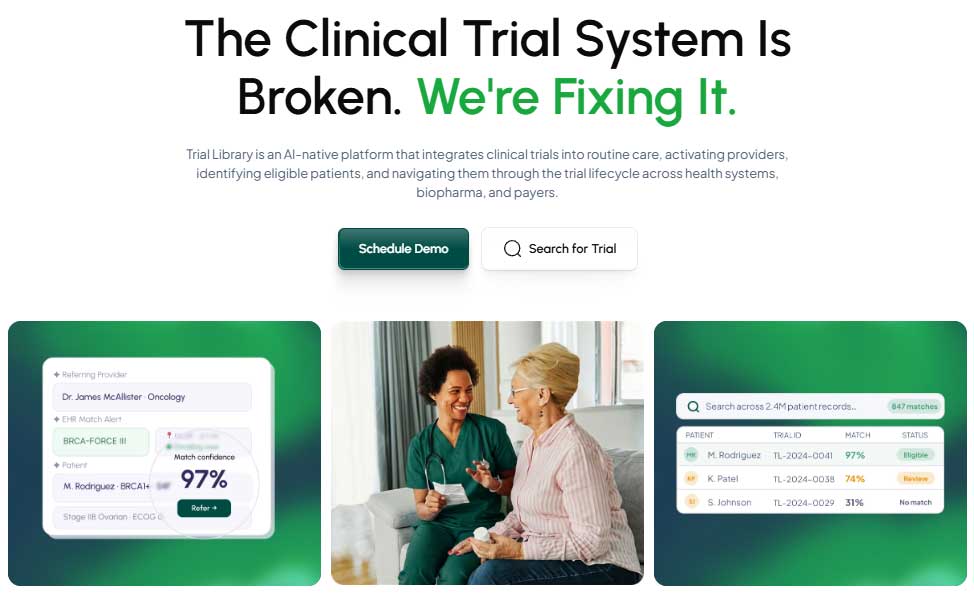
Dr. Hala Borno, an oncologist and clinical trial equity researcher in practice, has aimed to streamline actionable therapeutics in her role as Founder and CEO of Trial Library. One of the leading players in this new space, Trial Library is an AI-native platform that integrates clinical trials into routine care by helping providers identify eligible patients and navigating through the trial lifecycle.
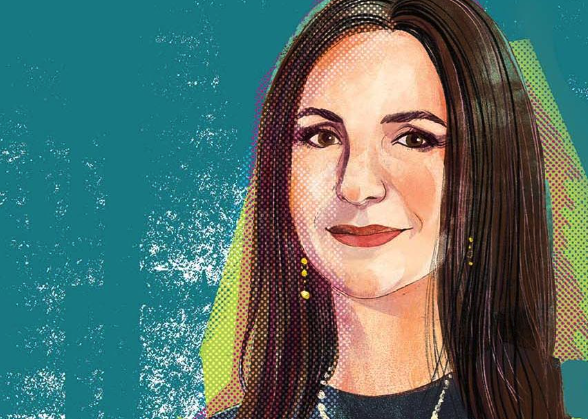
“We need to enable the discoverability and accessibility of oncology clinical trials.”
— Dr. Hala Borno
CEO, Trial Library
Studies have shown that eight out of ten patients who enroll in a clinical trial do so because their provider told them about it, Further, according to Trial Library, only 13 out of every 100 oncologists in the United States are active in research. If 87% of oncologists aren’t even engaging in research, how can patients participate in clinical trials — or even hear about them?
This is where Generative AI can enable new expand the scope of clinical trials and bring their use and effectiveness to a new level. These new tools can help interpret complex patient records — going beyond the “basic” data and revealing “hidden” data relevant to proper patient identification — and structure this data in new ways for clinical teams to examine. These AI-assisted workflows, supplemented in some cases by AI agents, have begun producing hugely positive outcomes in the use of operational tasks during the study setup and execution of clinical trials.
Leveraging the power of Generative AI, startups like Trial Library are making it easier for oncologists to connect with a pool of potential participants, helping ensure that there is a strong match for the trial and enabling oncologists to participate in research programs much more easily then even before.